
How Digital Marketing Drives Brand Visibility and Customer Engagement
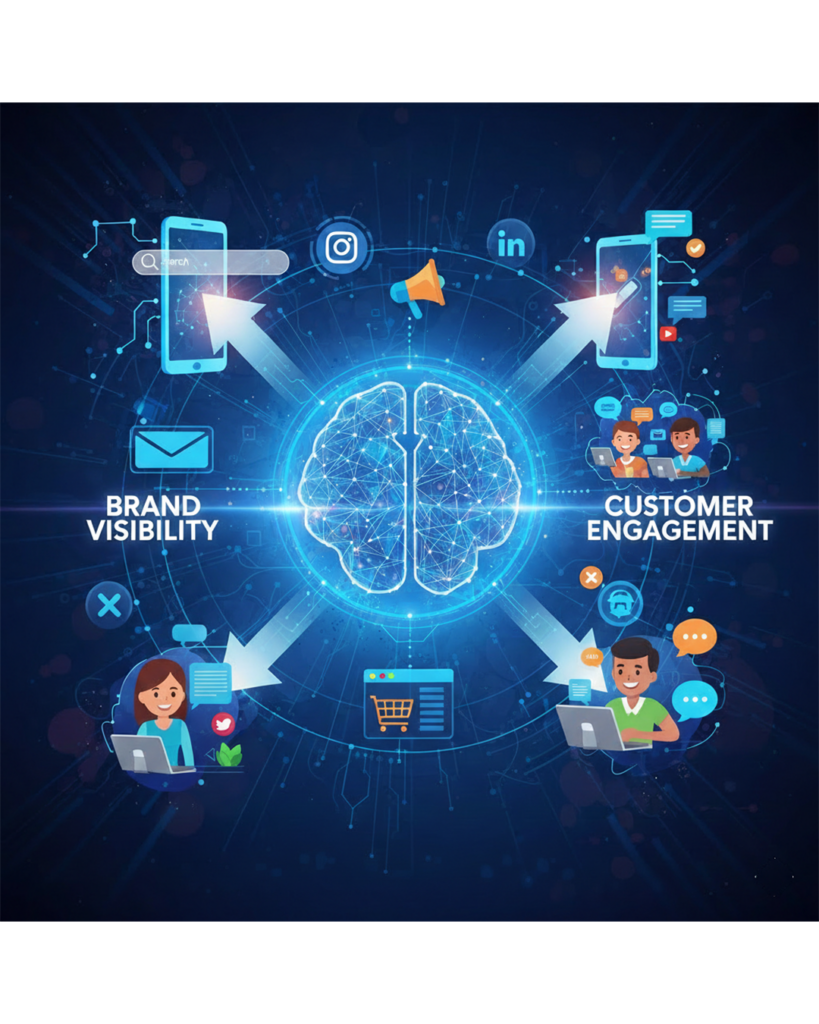
In today’s fast-paced digital era, businesses can no longer rely solely on traditional marketing methods to reach their audience. With consumers spending a significant amount of time online, digital marketing has become a powerful tool for increasing brand visibility and building meaningful customer engagement. From social media platforms to search engines and email campaigns, digital marketing enables brands to connect with their target audience at the right time, on the right platform, and with the right message.
Enhancing Brand Visibility Through Digital Channels
Brand visibility refers to how easily a brand can be recognized and recalled by consumers. Digital marketing plays a crucial role in increasing this visibility by placing brands in front of their audience across multiple online touchpoints.
Search Engine Optimization (SEO) is one of the most effective ways to boost brand visibility. When a business optimizes its website and content for search engines, it improves its chances of appearing on the first page of search results. Higher rankings not only drive organic traffic but also build trust and credibility, as users tend to perceive top-ranking websites as more reliable.
Social media marketing is another powerful driver of brand visibility. Platforms like Instagram, Facebook, LinkedIn, and X allow brands to showcase their personality, values, and offerings to a broad audience. Consistent posting, engaging visuals, and relevant content help brands stay top-of-mind and reach both existing and new audiences through shares, likes, and algorithm-driven exposure.
Paid advertising, such as Google Ads and social media ads, further amplifies brand visibility. These ads allow businesses to target specific demographics, interests, and behaviors, ensuring that brand messages reach the most relevant audience. Even when users do not immediately convert, repeated exposure increases brand recall and awareness.
Building Strong Customer Engagement
Customer engagement goes beyond visibility; it focuses on how audiences interact with a brand. Digital marketing enables two-way communication, allowing customers to actively engage rather than passively consume content.
Content marketing is at the heart of customer engagement. Blogs, videos, infographics, and podcasts provide valuable information that educates, entertains, or solves problems for users. When content resonates with the audience, it encourages likes, comments, shares, and longer time spent on websites, all of which strengthen the brand-customer relationship.
Social media platforms are especially effective for engagement because they enable real-time interaction. Brands can respond to comments, answer questions, conduct polls, and host live sessions, making customers feel heard and valued. This interaction humanizes the brand and fosters loyalty.
Email marketing also plays a vital role in customer engagement. Personalized email campaigns, tailored to user preferences and behavior, help nurture relationships over time. Regular newsletters, exclusive offers, and personalized recommendations keep customers engaged and encourage repeat interactions.
Personalization and Data-Driven Strategies
One of the biggest advantages of digital marketing is the ability to collect and analyze data. Businesses can track user behavior, preferences, and engagement patterns to create highly personalized marketing experiences.
Personalized content and ads make customers feel understood and valued. Whether it’s recommending products based on past purchases or delivering customized messages, personalization significantly increases engagement rates and conversion potential.
Marketing automation tools further enhance engagement by delivering timely messages across different stages of the customer journey. Automated responses, follow-up emails, and retargeting campaigns ensure consistent communication without overwhelming the audience.
Strengthening Trust and Brand Authority
Digital marketing also helps establish brand authority and trust. Publishing high-quality content, sharing customer testimonials, and maintaining an active online presence signal credibility. Reviews, ratings, and user-generated content influence purchase decisions and enhance brand reputation.
Influencer marketing is another effective strategy for building trust. Collaborating with influencers who align with the brand’s values allows businesses to tap into established communities and gain authentic exposure.
Measuring and Improving Performance
Unlike traditional marketing, digital marketing offers measurable results. Analytics tools allow businesses to monitor impressions, clicks, engagement rates, and conversions in real time. This data-driven approach enables continuous optimization of campaigns to improve both visibility and engagement.
By understanding what works and what doesn’t, brands can refine their strategies, allocate budgets effectively, and deliver better customer experiences.
Conclusion
Digital marketing has transformed the way brands connect with their audience. By leveraging SEO, social media, content marketing, email campaigns, and data-driven strategies, businesses can significantly enhance brand visibility and foster meaningful customer engagement. In a competitive digital landscape, brands that invest in consistent, personalized, and value-driven digital marketing efforts are more likely to stand out, build trust, and achieve long-term success.